
Tinghir and the Todra Gorge: Nature and Heritage Combined
In the vast and ever-changing landscapes of southern Morocco lies a destination that captures the essence of both natural splendor and cultural heritage — Tinghir and the Todra Gorge. This remarkable region sits between the rugged High Atlas Mountains and the sweeping dunes of the Sahara Desert, offering travelers a rare opportunity to experience the best of Morocco’s inland beauty.
The town of Tinghir (also spelled Tinerhir) is a true oasis, surrounded by a vast expanse of palm groves, traditional mud-brick villages, and dramatic mountain backdrops. Its name, derived from the Tamazight (Berber) word Tinghir, meaning “mountain foothill,” perfectly captures its position at the junction between mountain and desert. Tinghir is not just a place to pass through — it’s a living embodiment of Berber resilience, tradition, and harmony with nature.
Just a short drive from the town lies the Todra Gorge, a geological wonder that never fails to astonish. Towering limestone cliffs rise up to 300 meters, framing a narrow canyon carved over millennia by the Todra River. The gorge is famous for its ever-shifting hues, where the rock glows from gold to deep red depending on the time of day. The contrast between the sunlit cliffs and the cool, shallow river below creates a breathtaking scene that feels almost otherworldly.
But what truly sets Tinghir and the Todra Gorge apart is the seamless union of nature and heritage. Visitors can wander through centuries-old villages where life moves to the rhythm of traditional agriculture, then find themselves moments later immersed in one of the most spectacular natural landscapes in North Africa. The region invites not only adventure but also introspection — a place where the silence of the mountains meets the warmth of Berber hospitality.
Whether you’re a traveler in search of epic hikes, rock climbing adventures, or cultural immersion, Tinghir and the Todra Gorge provide the perfect blend of excitement, authenticity, and tranquility. It’s more than a destination — it’s an experience that captures the soul of Morocco itself.
A Glimpse into Tinghir’s Rich Heritage
Before reaching the dramatic cliffs of the Todra Gorge, travelers are welcomed by the captivating charm of Tinghir, a town that embodies the soul of southern Morocco’s Berber culture. Tinghir isn’t just a stop on the way to adventure — it’s a destination steeped in tradition, history, and community, where time seems to move in harmony with the desert wind and the flowing palms.
At first glance, Tinghir appears as a quiet oasis town, but beneath the surface lies a centuries-old story of coexistence and resilience. Its Berber inhabitants, known for their hospitality and deep connection to the land, have preserved their ancestral customs for generations. Wander through Tinghir’s narrow lanes and you’ll encounter earth-toned kasbahs built from mud and straw, standing proudly as symbols of endurance against the desert’s challenges.
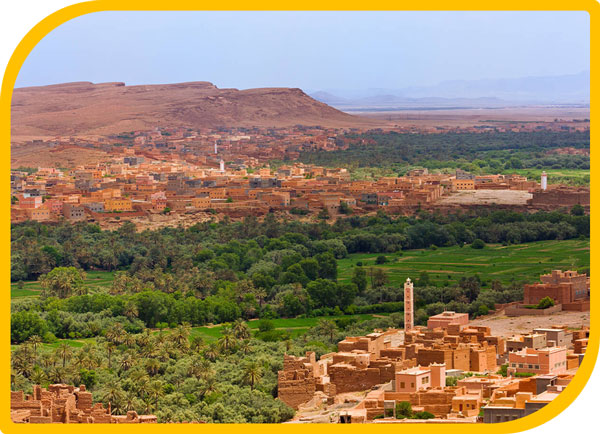
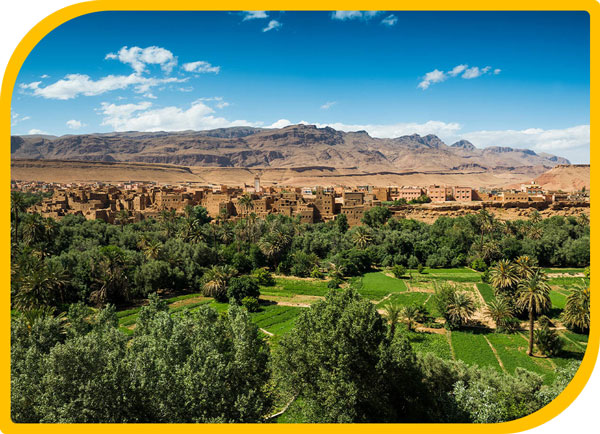
One of the town’s most striking features is the Tinghir Oasis, a vast belt of greenery that stretches for more than 30 kilometers along the Todra River. This lush corridor, dotted with date palms, olive trees, and small vegetable plots, showcases the region’s remarkable irrigation system known as khettaras — underground water channels ingeniously designed to sustain life in the arid climate. The soothing sound of trickling water and the rustle of palm leaves create a tranquil symphony that contrasts beautifully with the harsh desert beyond.
Another fascinating layer of Tinghir’s history is found in its old Jewish quarter (Mellah). Before Morocco’s independence, the town had a thriving Jewish community that lived peacefully alongside Berber families. Today, the remnants of the Mellah — with its narrow alleys and traditional architecture — tell the story of shared heritage and cultural exchange, a reminder of the coexistence that once defined Morocco’s diverse identity.
Visitors can also explore local markets and souks, where artisans sell handmade Berber rugs, silver jewelry, pottery, and woven baskets — crafts that have been passed down through generations. The colors, scents, and sounds of Tinghir’s markets offer an authentic glimpse into the rhythm of everyday life, where bargaining is not just commerce, but a social ritual that keeps community bonds alive.
For those seeking deeper insight, guided cultural walks through the oasis or nearby villages reveal how Tinghir’s people live in balance with their environment. Farmers still tend their fields using traditional techniques, families gather to share mint tea under the shade of palm trees, and local storytellers recount ancient legends that blend myth and memory.
Tinghir, with its warm-hearted people and timeless landscapes, stands as a living museum of Morocco’s rural heritage — a place where every corner whispers stories of perseverance, faith, and beauty. Together with the nearby Todra Gorge, it forms a rare harmony between human tradition and natural grandeur that makes this corner of Morocco unforgettable.
The Spectacular Todra Gorge: Nature’s Masterpiece
Few places in Morocco inspire awe quite like the Todra Gorge — a natural wonder that feels sculpted by the hands of time itself. Just a short drive from the oasis town of Tinghir, this monumental canyon is one of the country’s most dramatic landscapes, where towering cliffs, flowing water, and brilliant light converge to create an unforgettable scene.
As you approach from Tinghir, the lush palm groves of the oasis gradually give way to rocky hills and rust-colored plateaus. Then, suddenly, the earth opens up into the Todra Gorge — a breathtaking chasm carved over thousands of years by the Todra River. The limestone walls rise steeply on either side, reaching heights of 250 to 300 meters, their sheer faces glowing in shades of amber, ochre, and crimson as the sun shifts across the sky.
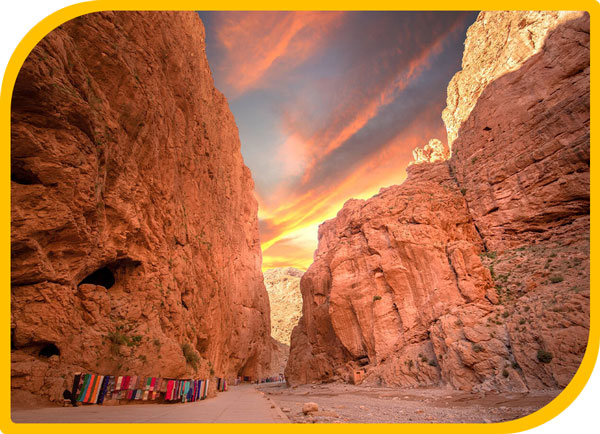
Walking through the gorge, you’ll feel dwarfed by nature’s grandeur. The air is cool and crisp, and the light dances across the stone, revealing subtle textures and hidden colors. At its narrowest point, the canyon walls are barely 10 meters apart, creating an almost cathedral-like atmosphere — silent, majestic, and humbling. Many travelers describe the experience as walking through the very heart of the earth.
The Todra River, though now reduced to a gentle stream for much of the year, continues to breathe life into this monumental landscape. Its waters nourish the palm groves downstream and sustain the small communities that have lived here for centuries. The gorge’s geological formations tell a story millions of years old — of shifting plates, erosion, and the relentless artistry of wind and water.
Beyond its natural beauty, the Todra Gorge has become a mecca for adventure travelers. Rock climbers from around the world come to test their skills on its limestone walls, drawn by the gorge’s hundreds of climbing routes that cater to both beginners and professionals. The sound of carabiners clicking and climbers calling out to one another echoes faintly through the canyon, blending seamlessly with the rustle of the wind.
Yet, even if you’re not an adventurer, the gorge offers countless ways to connect with nature. Many visitors enjoy leisurely hikes through the canyon, stopping to photograph the play of light on the rocks or to watch local shepherds guide their flocks along the riverbanks. During the early morning and late afternoon, the sunlight transforms the gorge into a painter’s dream — soft, golden, and ethereal.
Local Berber families have set up small tea stalls and craft stands near the entrance, where you can pause to enjoy a refreshing glass of mint tea while admiring the immense cliffs rising before you. The hospitality of the people here mirrors the warmth of the land itself — simple, genuine, and deeply rooted in tradition.
The Todra Gorge, together with Tinghir, forms one of Morocco’s most photogenic and soul-stirring destinations. It’s a place where time slows down, where nature’s power humbles the human spirit, and where the connection between people and their land remains unbroken. Whether you come to climb, hike, or simply marvel, the gorge stands as a true masterpiece of Moroccan nature — a living monument to the beauty and resilience of the earth.
Adventure and Activities in Todra Gorge
While Tinghir and the Todra Gorge captivate visitors with their breathtaking scenery and cultural depth, they also offer a playground for those seeking adventure. From world-class climbing walls to scenic trails and cultural encounters, this part of Morocco invites travelers to experience nature not just as spectators, but as participants in its rhythm and grandeur.
Rock Climbing: A Vertical Paradise
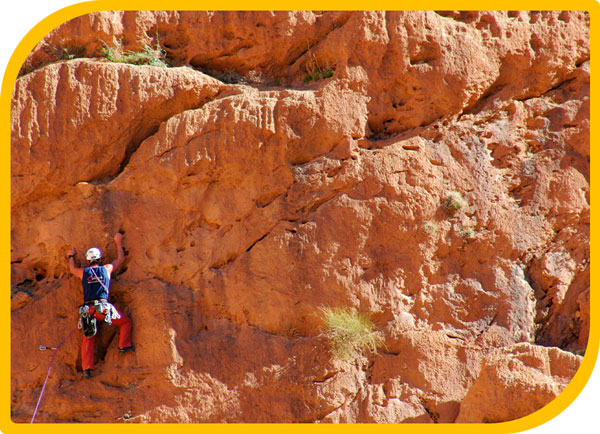
The Todra Gorge is often described as Morocco’s climbing capital — a haven for climbers from around the globe. Its limestone walls, polished smooth by wind and water, provide hundreds of climbing routes that vary in difficulty and style. Beginners can test their skills on shorter, well-bolted routes near the base, while seasoned climbers tackle challenging multi-pitch ascents that scale the canyon’s towering faces.
The quality of the rock, combined with the year-round sunshine, makes the gorge one of the top climbing destinations in North Africa. Local guides and climbing schools in Tinghir offer instruction, equipment rentals, and safety briefings for those eager to try the sport. Whether you’re an expert scaling a 300-meter wall or a beginner learning the basics, the sensation of clinging to stone while gazing across the immense canyon is nothing short of exhilarating.
Hiking and Exploration
If climbing isn’t your style, hiking through the Todra Gorge and its surrounding valleys is equally rewarding. A well-trodden path follows the riverbed through the narrowest part of the canyon, allowing you to walk beneath cliffs that seem to touch the sky. Along the way, you’ll encounter local shepherds, nomadic families, and grazing goats, offering glimpses into traditional Berber life.
More adventurous hikers can continue beyond the gorge, following ancient footpaths that link remote mountain villages and pastoral valleys. One popular trail connects the Todra Gorge with the neighboring Dades Valley, forming part of a longer trekking route through the High Atlas. The journey reveals breathtaking panoramas, from terraced fields and hidden springs to views of snow-capped peaks in the distance.

Cultural Encounters
What makes an adventure in Tinghir and the Todra Gorge truly special is the human element. Travelers often find themselves invited into Berber homes for tea or a traditional meal of tagine and fresh bread baked in clay ovens. These encounters offer an authentic look into local life — where hospitality is sacred and every visitor is treated as an honored guest.
Villages near the gorge, such as Aït Baha and Tamtatouchte, are excellent stops for meeting locals, purchasing handcrafted souvenirs, and learning about ancient agricultural practices that still shape the region’s daily rhythm.
Photography and Nature Watching
The gorge is also a paradise for photographers and nature lovers. Early mornings bathe the cliffs in soft amber light, while sunsets paint the rocks in deep orange and red. The contrast of shadow and sunlight within the narrow canyon creates endless photographic possibilities. Wildlife enthusiasts may also spot Barbary ground squirrels, falcons, and small mountain goats navigating the rocky terrain.
Nearby Adventures
For travelers eager to explore beyond the gorge, Tinghir serves as a convenient base for day trips and longer excursions. You can venture into the Dades Valley, known for its surreal rock formations and “Monkey Fingers,” or journey deeper into the desert toward Merzouga and the Erg Chebbi dunes for a full Sahara experience.
Whether you prefer scaling vertical walls, trekking through ancient landscapes, or connecting with the warmth of Berber life, Tinghir and the Todra Gorge promise an adventure that’s both thrilling and deeply enriching. Here, every path leads to discovery — and every moment feels like a bridge between human spirit and the power of nature.
Book Your Adventure to Tinghir and the Todra Gorge Today!
Step into a world where majestic cliffs, lush palm groves, and Berber traditions come together to create an unforgettable Moroccan experience. Hike the breathtaking gorge, explore charming oasis villages, and immerse yourself in authentic local culture.
Plan your journey now and discover the heart of southern Morocco — your adventure awaits!
Local Life and Berber Culture
Beyond the stunning cliffs and palm-filled valleys, what truly gives Tinghir and the Todra Gorge their soul is the people who call this land home. Here, life unfolds slowly and gracefully, rooted in centuries-old Berber traditions that celebrate community, craftsmanship, and connection to nature. For travelers, immersing in local life is not just a cultural experience — it’s an invitation to witness a way of living that has remained beautifully authentic.
The Rhythm of Berber Villages
The region around Tinghir is dotted with small villages made of earth-colored kasbahs and adobe homes, blending seamlessly with the desert landscape. Each village has its own identity, yet all share a strong sense of community. Life revolves around the oasis and its fertile fields, where families cultivate date palms, barley, and vegetables using time-honored techniques passed down through generations.
In the early morning, you’ll see farmers leading donkeys along the irrigation canals, women weaving baskets in the shade, and children walking to school through dusty paths framed by palm trees. The gentle pace of life and the genuine warmth of the locals create an atmosphere of peace that contrasts beautifully with the dramatic scenery of the Todra Gorge.
Hospitality at Its Purest
Hospitality is a cornerstone of Berber culture. Guests are always welcomed with a smile — and often with a steaming glass of mint tea, the traditional symbol of friendship in Morocco. Many visitors to Tinghir and the Todra Gorge are invited to share a meal with local families, where homemade tagines simmer over clay stoves, and freshly baked bread is passed around the table with pride.
It’s in these humble settings that travelers discover the heart of Berber life: generosity without expectation, respect for elders, and a deep spiritual connection to the land. Even those who speak only a few words of Tamazight (the Berber language) find communication effortless through smiles, gestures, and shared food.
Artisans and Ancient Skills
Tinghir is also a center of Berber craftsmanship, where ancient skills continue to flourish. Local artisans create handwoven carpets, silver jewelry, leather goods, and pottery using techniques refined over centuries. The designs often carry symbolic patterns representing protection, fertility, or harmony — each piece a silent storyteller of Berber heritage.
Strolling through Tinghir’s markets, you’ll find vibrant displays of woven textiles, hand-dyed wool, and glimmering metalwork. Buying directly from artisans not only supports local livelihoods but also helps preserve Morocco’s fragile craft traditions in a world that’s rapidly modernizing.
Music, Dance, and Festivals
No visit to Tinghir would be complete without experiencing the music and dance that animate Berber culture. The rhythms of traditional instruments like the bendir (frame drum) and ghaita (flute) fill the air during weddings and seasonal festivals. Dancers dressed in colorful attire perform ancient routines that celebrate love, harvest, and unity.
If your visit coincides with a local festival or wedding celebration, you’ll witness the communal spirit that defines this part of Morocco — where music becomes a bridge between generations and a testament to the enduring vibrancy of Berber identity.
A Culture in Harmony with Nature
What makes the lifestyle around Tinghir and the Todra Gorge truly remarkable is its balance with the natural world. The people here live by the rhythm of the seasons, respecting the fragile ecosystem of the oasis and the desert. Traditional architecture uses natural materials that keep homes cool in summer and warm in winter. Every element of daily life — from farming to cooking — reflects an understanding of sustainability long before it became a global concern.
In Tinghir and the Todra Gorge, culture isn’t a performance for tourists — it’s a living, breathing way of life. The warmth of the people, their devotion to the land, and their unshakable sense of identity turn every encounter into a moment of genuine connection. To visit here is not only to see Morocco’s beauty, but to feel its heart beating in the songs, crafts, and smiles of its people.
Where to Stay: From Kasbahs to Eco-Lodges
Accommodation in Tinghir and the Todra Gorge is as diverse and enchanting as the landscape itself. Whether you dream of sleeping inside a historic kasbah, relaxing in a traditional riad, or connecting with nature in a sustainable eco-lodge, this region offers something for every traveler. Each place to stay is more than just a bed for the night — it’s an experience that reflects the warmth, culture, and authenticity of Morocco’s desert heart.
Kasbahs: Living History Among the Palms
For a truly immersive experience, spend a night in one of the region’s ancient kasbahs — fortified homes built from sun-dried mud and straw that have stood for centuries. Many of these structures have been lovingly restored and converted into boutique hotels or guesthouses. Their thick earthen walls keep rooms cool during the day and warm at night, while rooftop terraces offer panoramic views of the surrounding Tinghir oasis and distant mountains.
Staying in a kasbah is like stepping back in time. Candlelit courtyards, carved wooden doors, and intricately patterned Berber rugs create an atmosphere of quiet elegance. Some family-run kasbahs even invite guests to join in traditional cooking sessions, where you can learn to prepare Moroccan tagine or couscous using locally grown ingredients.
Riads and Guesthouses: Comfort with Local Charm
In the town of Tinghir, travelers will find a variety of riads and guesthouses offering comfort, hospitality, and style. Many are nestled along the palm grove or within walking distance of the market, combining modern amenities with traditional décor — think colorful mosaics, handwoven textiles, and open-air courtyards filled with the scent of orange blossom.
What sets these accommodations apart is their personal touch. Hosts often go above and beyond to make visitors feel at home, sharing insider tips on exploring the Todra Gorge, arranging guided treks, or organizing cultural dinners featuring local musicians.
Eco-Lodges: Sustainable Escapes
For travelers seeking harmony with nature, the eco-lodges around Tinghir and the Todra Gorge offer the perfect balance of comfort and sustainability. Built with natural materials and powered by renewable energy, these lodges blend seamlessly into the desert landscape. Some are located right at the entrance of the gorge, allowing you to wake up to the sound of birds and the gentle murmur of the river.
Eco-lodges often promote responsible tourism, supporting local communities and using organic, locally sourced ingredients for their meals. Staying in one is not just about relaxation — it’s about participating in a movement that protects Morocco’s fragile ecosystems while empowering its rural people.
Desert Camps and Nomadic Experiences
For a touch of adventure, some travelers choose to extend their stay beyond Tinghir, spending a night in a nomadic-style desert camp between the Todra and Dades valleys. Here, under a canopy of stars, you can experience the tranquility of the Moroccan desert — far from the noise of the modern world. Many camps feature comfortable tents, traditional Berber dinners by candlelight, and the rhythmic beats of drums echoing through the night.
Something for Every Traveler
Whether you’re a couple seeking romance, a family craving adventure, or a solo traveler chasing inspiration, Tinghir and the Todra Gorge have accommodation options to suit every style and budget. From luxury kasbah retreats to cozy riads tucked among palm groves, each stay tells its own story — one woven from the threads of tradition, landscape, and heartfelt hospitality.
In Tinghir and the Todra Gorge, where every sunrise paints the cliffs in shades of gold and every evening glows with the warmth of Berber welcome, where you stay becomes part of your journey — a chapter in the unforgettable story of Morocco’s desert heart.
Best Time to Visit
Choosing the right time to visit Tinghir and the Todra Gorge can transform your experience, allowing you to fully enjoy the breathtaking landscapes, outdoor adventures, and local culture. While the region is beautiful year-round, certain seasons are especially favorable for exploring both the gorge and the surrounding oasis.
Spring (March to May): Perfect for Nature and Exploration
Spring is widely regarded as the best time to visit Tinghir and the Todra Gorge. The weather is mild and pleasant, with daytime temperatures ranging from 20°C to 28°C (68°F to 82°F). This is ideal for hiking, trekking, and rock climbing, as the trails and cliffs are comfortable without the intense heat of summer.
The oasis and surrounding valleys are in full bloom during spring. You’ll witness lush palm groves, wildflowers, and flowing streams, creating a striking contrast against the red and orange hues of the gorge. For photographers, this season offers vibrant colors, soft natural light, and clear skies — perfect for capturing the dramatic scenery.
Autumn (September to November): A Calm and Scenic Escape
Autumn is another excellent season to explore Tinghir and the Todra Gorge. Temperatures are similar to spring, and the summer crowds have usually dispersed, allowing for a more peaceful and immersive experience.
Hiking trails, climbing routes, and oasis paths are at their best, with cooler mornings and golden sunsets that illuminate the canyon walls. The region’s villages are also quieter, giving travelers the chance to connect more deeply with local life and witness traditional farming and cultural activities in a more relaxed setting.
Summer (June to August): Adventure with Early Starts
While summer brings higher temperatures, sometimes exceeding 35°C (95°F), it can still be a rewarding time to visit Tinghir and the Todra Gorge — especially for early risers. Morning treks and sunrise climbs allow you to enjoy the gorge before the heat peaks.
Evenings are cooler, making it a perfect time to relax in a kasbah terrace, riad courtyard, or eco-lodge, sipping mint tea while watching the sun set over the palm groves and distant mountains. Summer is also ideal for travelers seeking longer days to explore multiple nearby destinations, such as the Dades Valley or the Sahara Desert.
Winter (December to February): Quiet and Authentic
Winter brings cooler temperatures, particularly in the evenings and higher altitudes, sometimes dropping to 5°C (41°F). While hiking and climbing can still be done, mornings are chilly, and some higher trails may be less accessible.
The upside of visiting in winter is the tranquil atmosphere. Fewer tourists mean more peaceful walks through the gorge, quiet evenings in local kasbahs, and undisturbed photography opportunities. Winter visitors often find that this season allows for the most authentic cultural encounters, as locals go about their daily lives without the bustle of peak tourist activity.
Travel Tips for Timing Your Visit
-
Morning and late afternoon adventures: Even in warmer months, early starts are best for hiking and climbing.
-
Check for local festivals: Visiting during a local festival or market day adds cultural richness to your trip.
-
Pack for extremes: Bring layers — mornings and evenings can be cool, while midday can be very warm, especially in summer.
By choosing the right season, your journey to Tinghir and the Todra Gorge can combine comfort, adventure, and unforgettable natural beauty — ensuring every moment is as breathtaking as the cliffs themselves.
Getting There: Journey Through the High Atlas
Reaching Tinghir and the Todra Gorge is an adventure in itself, offering travelers a scenic introduction to Morocco’s dramatic landscapes, traditional villages, and desert oases. Whether you’re coming from Marrakech, Ouarzazate, or other parts of the country, the journey winds through the High Atlas Mountains, providing unforgettable vistas and cultural stops along the way.
From Marrakech: A Scenic Drive Through the Atlas
Most travelers begin their journey from Marrakech, approximately 360 kilometers (224 miles) southwest of Tinghir. The drive takes roughly 6–7 hours by car, depending on stops and traffic, and offers a spectacular passage through the High Atlas Mountains.
The route passes through Tizi n’Tichka, the highest mountain pass in Morocco, at 2,260 meters (7,414 feet). Here, switchbacks and winding roads reward travelers with panoramic views of mountain peaks, valleys, and Berber villages. The landscape changes dramatically as you descend toward Ouarzazate, revealing the semi-desert plains and rocky hills characteristic of southern Morocco.
Along the way, you can stop at iconic sights such as:
-
Aït Ben Haddou: A UNESCO World Heritage site and historic kasbah famous for its stunning architecture and as a filming location for films and series.
-
Skoura Oasis: Known as the “Valley of a Thousand Kasbahs,” this palm-filled valley is ideal for short hikes or a coffee break among historic mud-brick homes.
-
Ouarzazate: Often called the “Gateway to the Desert,” it’s a bustling town with film studios, museums, and local markets.
From Ouarzazate: The Dades Valley Route
Travelers coming from Ouarzazate can take the scenic route through the Dades Valley, renowned for its dramatic rock formations and vibrant Berber villages. This drive, about 150 kilometers (93 miles) and 3–4 hours long, passes:
-
Dades Gorges: Another spectacular canyon offering striking rock formations and hiking opportunities.
-
Boumalne Dades: A convenient town for a break, local meals, or accommodations.
-
Traditional Berber villages, where you can witness daily life and handicraft markets.
This route gradually leads you to Tinghir, where the greenery of the oasis signals the proximity of the Todra Gorge.
Practical Travel Tips
-
Road Conditions: Main roads are paved and generally well-maintained, but smaller mountain roads can be narrow with tight curves. Drive carefully, especially in winter or after rain.
-
Car Rentals and Guided Tours: Renting a car gives you flexibility to stop at scenic viewpoints. Guided tours from Marrakech or Ouarzazate are also popular for those who prefer a stress-free journey.
-
Timing Your Drive: Early morning departures allow you to enjoy mountain vistas in soft light and reach Tinghir with plenty of daylight for exploring.
-
Fuel and Supplies: Gas stations are available along main routes, but bring water, snacks, and a map or GPS, as service stations are limited in remote areas.
Arrival in Tinghir
Once you arrive in Tinghir, the landscape opens into a lush palm grove oasis, signaling the beginning of your adventure in the Todra Gorge. The contrast between the rugged mountains, fertile valley, and flowing Todra River provides a sense of anticipation — as if you are entering a world where nature, culture, and history meet in perfect harmony.
The journey itself becomes part of the experience, allowing travelers to immerse in the beauty of southern Morocco before even stepping foot in the gorge.
Travel Tips for Visiting Tinghir and the Todra Gorge
Exploring Tinghir and the Todra Gorge is an unforgettable experience, but a few thoughtful preparations can make your visit even more enjoyable. From respecting local customs to packing smartly for outdoor adventures, these tips ensure your journey is safe, smooth, and deeply rewarding.
1. Respect Local Customs and Culture
-
Dress modestly, especially when visiting villages or markets. Light, breathable clothing that covers shoulders and knees is ideal.
-
Always ask permission before taking photos of local people, particularly in rural villages or traditional homes.
-
Greet locals with a polite “Salam Alaikum” — a small gesture that is greatly appreciated and shows respect for Berber and Moroccan traditions.
2. Stay Hydrated and Prepared for the Climate
-
The region’s climate can vary greatly: hot days in summer, cool mornings and evenings, and occasional winter chills.
-
Carry water when hiking or exploring the gorge — dehydration can occur quickly in sunny, arid conditions.
-
Sunscreen, sunglasses, and a hat are essential, especially when trekking or climbing.
3. Choose the Right Footwear and Gear
-
Hiking shoes or sturdy trainers are recommended for navigating rocky paths and riverbeds in the Todra Gorge.
-
If planning to climb, bring or rent appropriate climbing gear from certified local guides.
-
For photography enthusiasts, a tripod can be invaluable for capturing sunrise and sunset over the gorge’s dramatic cliffs.
4. Support Local Economy and Crafts
-
Purchase handmade Berber crafts directly from local artisans rather than mass-produced souvenirs.
-
Enjoy meals at local cafés and family-run guesthouses to support the community and experience authentic Moroccan cuisine.
-
Participate in guided tours led by local guides — this not only enriches your understanding but ensures tourism benefits the people who live there.
5. Travel Logistics
-
Bring some cash in Moroccan dirhams, as ATMs and card payment options can be limited in remote areas.
-
Mobile phone coverage is available in Tinghir town but can be spotty in the gorge or surrounding mountains.
-
Plan your day to make the most of daylight hours, especially if you intend to hike, climb, or explore multiple villages.
6. Safety and Health
-
Stick to marked trails in the gorge to avoid slips or falls.
-
Pay attention to weather forecasts — rain can make some mountain paths slippery and rivers rise quickly.
-
Carry basic first aid supplies, especially if hiking or climbing in remote areas.
7. Make Time for Cultural Immersion
-
Try traditional Moroccan dishes like tagine, couscous, or mint tea at local homes or restaurants.
-
Attend local music or dance performances if available — even informal gatherings in villages provide insight into Berber culture.
-
Engage with locals; even brief conversations can lead to unforgettable stories and memories.
By following these tips, travelers can experience Tinghir and the Todra Gorge safely and respectfully, while connecting meaningfully with the land, its people, and its history. Careful preparation ensures that every hike, cultural encounter, and sunset over the cliffs becomes a cherished memory.
Conclusion: Where Nature Meets Moroccan Heritage
Tinghir and the Todra Gorge are more than just destinations on a map — they are a living tapestry of Morocco’s natural beauty, cultural richness, and timeless traditions. From the lush palm groves and ancient irrigation channels of Tinghir to the towering limestone cliffs of the Todra Gorge, every element of this region tells a story of endurance, harmony, and breathtaking artistry.
Visitors to this region experience the perfect balance between adventure and serenity. Hikers and climbers are challenged and inspired by the canyon’s dramatic walls, while cultural enthusiasts are welcomed into Berber homes, markets, and festivals, discovering the warmth, hospitality, and artistry of the people who have lived here for centuries. Even the casual traveler finds themselves mesmerized by the ever-changing colors of the gorge, the gentle flow of the Todra River, and the panoramic views of the surrounding High Atlas Mountains.
What makes Tinghir and the Todra Gorge truly unique is this seamless union of nature and heritage. The landscape is not just a backdrop — it is intertwined with human life. The villages, kasbahs, and palm groves reflect centuries of sustainable living, where communities have adapted to their environment while preserving their customs and traditions. Every path through the oasis, every turn in the gorge, and every encounter with a local tells a story of a place where the human spirit and natural world coexist in harmony.
For travelers seeking a genuine Moroccan experience, Tinghir and the Todra Gorge offer a journey that goes beyond sightseeing. Here, adventure, culture, and tranquility come together in a way that leaves a lasting impression, inviting you to slow down, explore deeply, and connect with a land that is as timeless as it is extraordinary.
Whether you are hiking the gorge, savoring a traditional meal, or simply watching the sun set over the palm groves, Tinghir and the Todra Gorge promise memories that will stay with you long after your journey ends.

